Overwatering happens when the soil of an indoor plant stays saturated with water for too long, preventing the roots from receiving oxygen. This is often noticeable by leaves turning yellow, stems feeling soft or mushy, and soil that doesn't finish drying after several days. If caught early, adjusting the watering routine almost always helps the plant recover.
It happens to almost all of us that, wanting to take extra care of our plants, we end up watering them too frequently. It's a sign of love that sometimes backfires, but you shouldn't feel guilty. Seeing your plant look "sad" despite your care can be very confusing, but learning to read the signs of overwatering is the first step to understanding them better.
How to tell if you've overwatered (clear signs)
Sometimes overwatering is confused with underwatering because in both cases the plant looks droopy. To clear up any doubts, look for these signs:
- Soil always moist: If a week after watering, you stick your finger in the soil and it still feels like mud, there's a drainage or frequency problem.
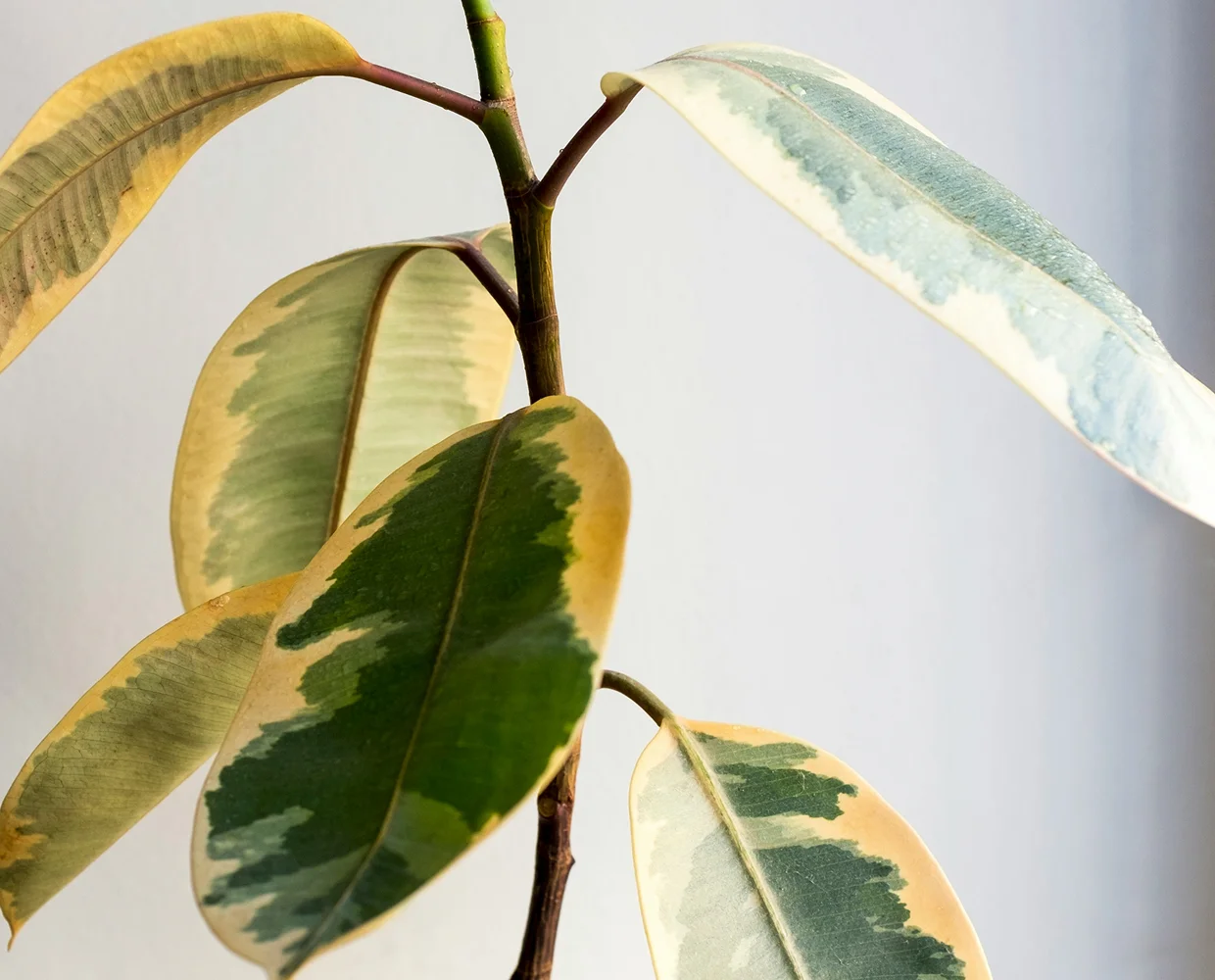
- Yellow and soft leaves: Unlike a dry leaf, overwatered leaves feel weak, heavy, and often fall off with just a touch.
- Dark or soft stems: If the base of the plant (near the soil) feels spongy or looks dark brown, the roots are likely suffering from lack of air.
- Presence of gnats: Those small black flies that hover near the pot usually appear when the soil surface stays wet for too long.
- Musty smell: If you notice a strange odor when you get close to the pot, like stagnant soil, it's an important warning sign.
Overwatering or underwatering?
It's the most common doubt. Here's a quick guide to tell the difference:
- Overwatering: The plant looks droopy, but the leaves are soft and the soil is wet.
- Underwatering: The plant looks droopy, but the leaves are crispy, the tips look dry, and the soil is so dry it pulls away from the edges of the pot.
Steps to rescue your plant
If you suspect you've overwatered, let's try these steps to give it some relief:
- Stop watering immediately: Don't add a single drop more until the soil feels dry to the touch.
- Find more light (without direct sun): Move your plant to a spot with better ventilation and plenty of brightness. This helps the water evaporate faster.
- Check the drainage: Make sure the pot has holes at the bottom. If there's a saucer underneath, pour out any water that collects there after watering; plants hate having "wet feet."
- Aerate the soil: With a wooden stick (like a chopstick), carefully poke the soil to create small air tunnels. This helps the roots breathe again.
Climate context
In many cities, the climate can be very humid or change suddenly with rain. During the rainy season or winter, plants need much less watering because water takes longer to evaporate. A very common mistake is watering "by calendar" (every Monday, for example) without checking if the plant actually needs it.
Frequently asked questions (FAQ)
Should I take the plant out of the pot to dry it?
Only in cases where the soil is completely waterlogged and the plant looks very bad. If you do, be very careful not to damage the roots. Sometimes it's better to replace the old soil with a fresh, dry mix.
Does the type of pot affect overwatering?
Yes, a lot. Clay pots help water evaporate through their pores, while plastic or glazed ceramic pots retain moisture for longer. If you use plastic, you need to space out your waterings more.
Can I use sand for better drainage?
It's better to use materials like perlite or small volcanic rock. Sand sometimes compacts and can end up squeezing the roots, making it harder for water to flow.
How long does it take for a plant to recover?
It depends a lot on the species, but in a couple of weeks you should see it stop losing leaves. Be patient, nature has its own timing.
Learning to water is really learning to observe. Every home has different light and temperature, so your plant will set its own pace. If you want to deepen this connection and better understand what your plant needs each day, tools like Helia accompany you in that observation process, helping you decode the signs so you can care with more confidence.